
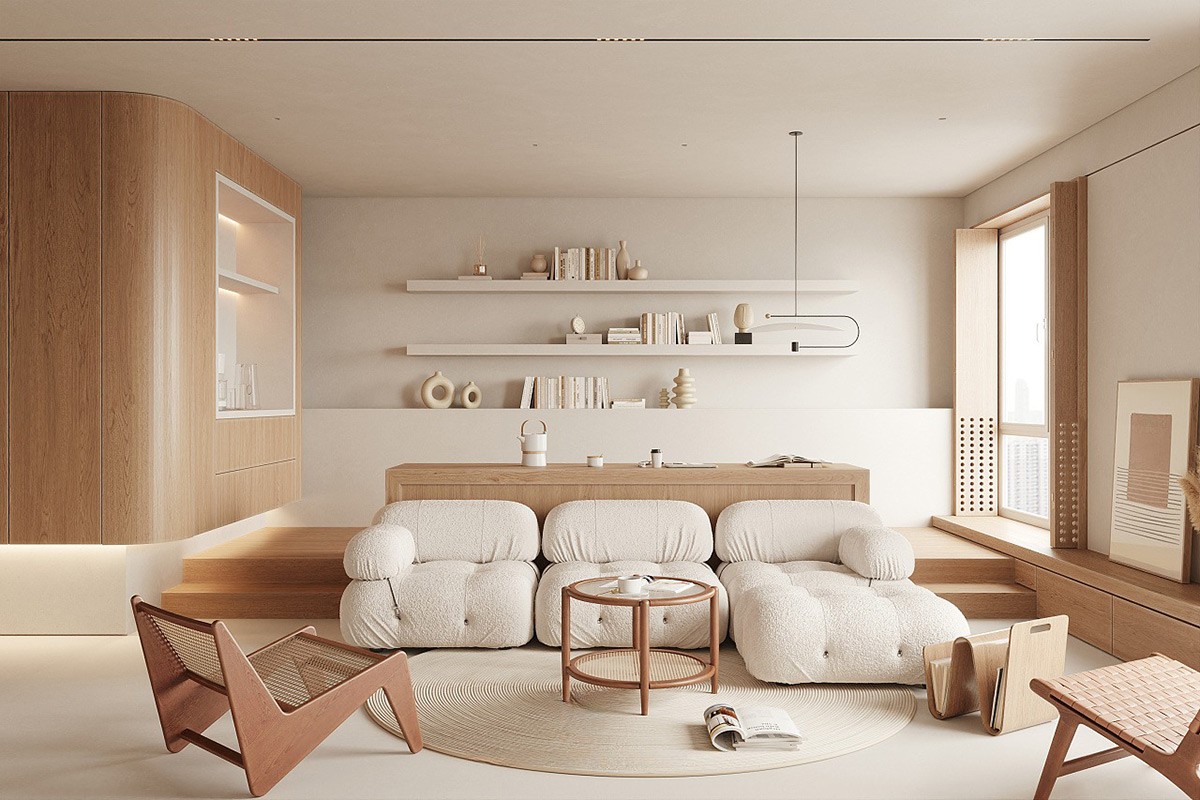
This guide offers practical, expert tips on adopting minimalist design that balances aesthetics with comfort.
Understanding Interior Decoration and Minimalism
Interior decoration involves more than putting things together—it’s an art and science aimed at enhancing your environment for beauty and well-being. A thoughtfully designed space impacts mood, productivity, and comfort, reflecting your personality while meeting everyday needs.
Minimalist interior decoration focuses on stripping away the unnecessary to let essentials shine. It encourages simplicity, functionality, and calm by reducing clutter and focusing on quality, purposeful design choices. My personal journey with minimalism started as a way to create peaceful spaces in a busy world, and it’s transformed how I live and design today.
What Defines Minimalist Interior Decor Style?
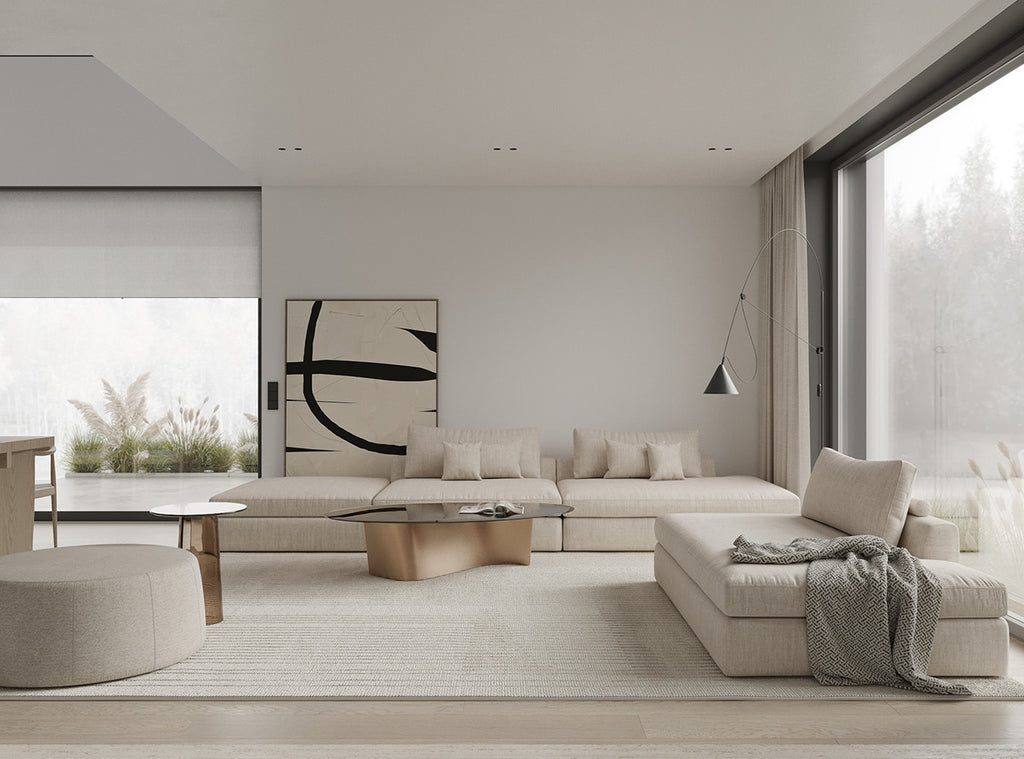
Minimalism is more than a trend; it’s a mindful way of living that promotes clarity and calm through interior design. It is defined by clean lines, open spaces, and a restrained palette that emphasizes natural light and textures over excessive ornamentation.
Think of minimalist decor as a breath of fresh air in your home. Rather than filling every space with objects, it’s about curating what truly matters—functionality combined with understated elegance. The goal is to create a sanctuary where every item earns its place.
Why Embrace Minimalist Decor?
Minimalist spaces offer many benefits that quickly become apparent. Having lived with minimalist design principles, I find that it:
- Reduces visual and mental clutter: Simplifying your surroundings calms the mind.
- Maximizes space efficiency: Every piece has a purpose, improving usability.
- Promotes relaxation and stress reduction: A serene environment nurtures well-being.
- Eases maintenance: Fewer items and surfaces make cleaning effortless.
- Creates timeless style: Neutral palettes and quality materials ensure longevity.
This style perfectly suits anyone seeking balance between elegance and functionality, whether in a compact apartment or expansive home.
Core Elements to Craft Your Minimalist Space
Neutral Color Palette
Minimalism thrives on balanced, soft hues like whites, grays, creams, and muted beiges. Choosing such neutrals builds a tranquil backdrop that highlights texture and form without distraction. For instance, painting walls in warm white or soft greys instantly softens a room and opens it up to natural light.
Accent colors can add personality but should be used sparingly—think single bright cushions or a vibrant piece of art. This subtle contrast prevents monotony while maintaining harmony.
Simple, High-Quality Furniture
Furniture in minimalist spaces is sleek, functional, and built to last. I opt for pieces with clean lines and natural materials like wood, leather, and metal. Avoid ornate details; instead, focus on craftsmanship and comfort.
Investing in well-designed furniture pays off in durability and timeless appeal, steering clear of fleeting trends. It also helps free space for movement and airiness.
Balanced Lighting
Lighting is a subtle but powerful tool to shape the atmosphere. Maximizing natural light enhances openness; large windows with light curtains work best. I favor soft, diffused artificial lighting from simple fixtures, such as recessed lights, pendant lamps with clean designs, or dimmable LEDs.
Correct lighting deepens textures and colors, creating warmth without cluttering the visual field.
Natural Textures
Minimalism isn’t about flatness—texture adds tactile intrigue and visual warmth. My spaces often include wood grain, natural stone, linen, cotton, or rattan elements. These materials offer subtle contrasts to smooth walls or polished floors, making minimal setups feel inviting and dynamic.
Soft throws, woven baskets, and raw wood furniture create layers of comfort that foster a cozy, organic vibe.
Purposeful Decoration
Every decorative item in minimalist decor must justify its existence, either through utility or beauty. I carefully select statement pieces—like a bold neutral vase, a single plant, or framed art—that amplify the space without overcrowding it.
Remember, less is more: choosing a few strong, meaningful pieces creates a thoughtful, curated atmosphere.
Step-by-Step Guide to Styling Your Space Minimally
Based on extensive experience, here’s a practical approach to bringing minimalism to life in your home:
Start by Decluttering
Begin with a thorough declutter—remove items that no longer serve you or add clutter. Sort room by room, and ask: do I use or love this? This process takes time but sets a strong foundation. My book Clear Your Space, Clear Your Mind offers an in-depth guide on this essential step.
Repaint with Neutrals
Choose calming neutral tones for walls and ceilings to create a light, airy canvas. White or light cream walls work wonders for brightness and openness, while floors can contrast with darker shades like taupe or grey for depth.
Select Functional Furniture
Choose clean-lined, functional furniture in natural materials. Avoid over-decoration and bulky shapes. Less really is more here—each piece should maximize comfort and utility without overpowering the room.
Add Texture and Minimal Decor
Introduce tactility with cushions, rugs, and throws made of cotton, linen, or rattan. Add a few standout decor items like a sculptural vase, plants, or art to personalize but keep the space uncluttered.
By balancing textures and sparing decoration, your space feels warm without being overwhelming.
Visual Inspirations for Minimalist Spaces
Living Room Serenity
Envision a living room with white walls, natural wood flooring in a herringbone pattern, and simple furniture flowing with clean lines. Accessories like a ceramic tray, scented candles, and floor baskets for throws blend function with restrained elegance.
Dining and Kitchen Simplicity
A minimal dining space uses a natural wood table, paired with understated chairs and ambient lighting. In the kitchen, streamline with hidden storage, clean countertops, and subtle decor like indoor plants to maintain calm clarity.
Calm Bedrooms and Bathrooms
Soft neutral bedding, minimal furniture, and gentle lighting create restful bedrooms. Bathrooms with stone or marble finishes, simple fixtures, and neatly organized essentials embody peaceful simplicity.
About Hamsatu Aliyu Afegbua
I’m Hamsatu Aliyu Afegbua, an architect and entrepreneur passionate about designing spaces that combine functionality with beauty. With over 12 years in interior architectural design and residential projects, I specialize in creating furniture and decor that save space and elevate everyday living.
My company, Yasmin Crafts Limited, champions simple, eco-friendly designs crafted in Nigeria. We serve discerning homeowners seeking authentic, functional interiors. Feel free to contact us or visit us at Suite 15, Okanga Plaza, Idris Gidado Street, Wuye, Abuja. Call +234 901 0909 282 for inquiries.
Visit Yasmin Crafts Limited
Frequently Asked Questions
What is the main difference between minimalist and modern interior styles?
Minimalist design emphasizes extreme simplicity, functionalism, and decluttered spaces using neutral palettes and natural light. Modern style, while also clean, allows more decorative elements and uses a broader color spectrum.
How can I add personality without cluttering a minimalist room?
Choose a few statement pieces that mean something to you—a colorful vase, unique artwork, or tactile textiles like woven rugs. These add character but maintain calm and openness by keeping quantity low.
Are minimalistic interiors suitable for small spaces?
Absolutely. Minimalism maximizes space efficiency by reducing unnecessary items and emphasizing functionality, making small spaces feel larger and more open.
What materials work best in minimalist decor?
Natural materials such as wood, stone, metal, cotton, and linen create warmth and texture while complementing minimalist design’s clean lines and neutral tones.
Final Tip
Start small—try incorporating one minimalist element at a time, like decluttering a corner or swapping bold-colored walls for neutral ones. This gradual approach makes the transition manageable and more enjoyable.
Leave a Reply